4 Offers in 3 Days: Did We Overpay? A First-Time Buyer's Post-Offer Anxiety, Answered Honestly
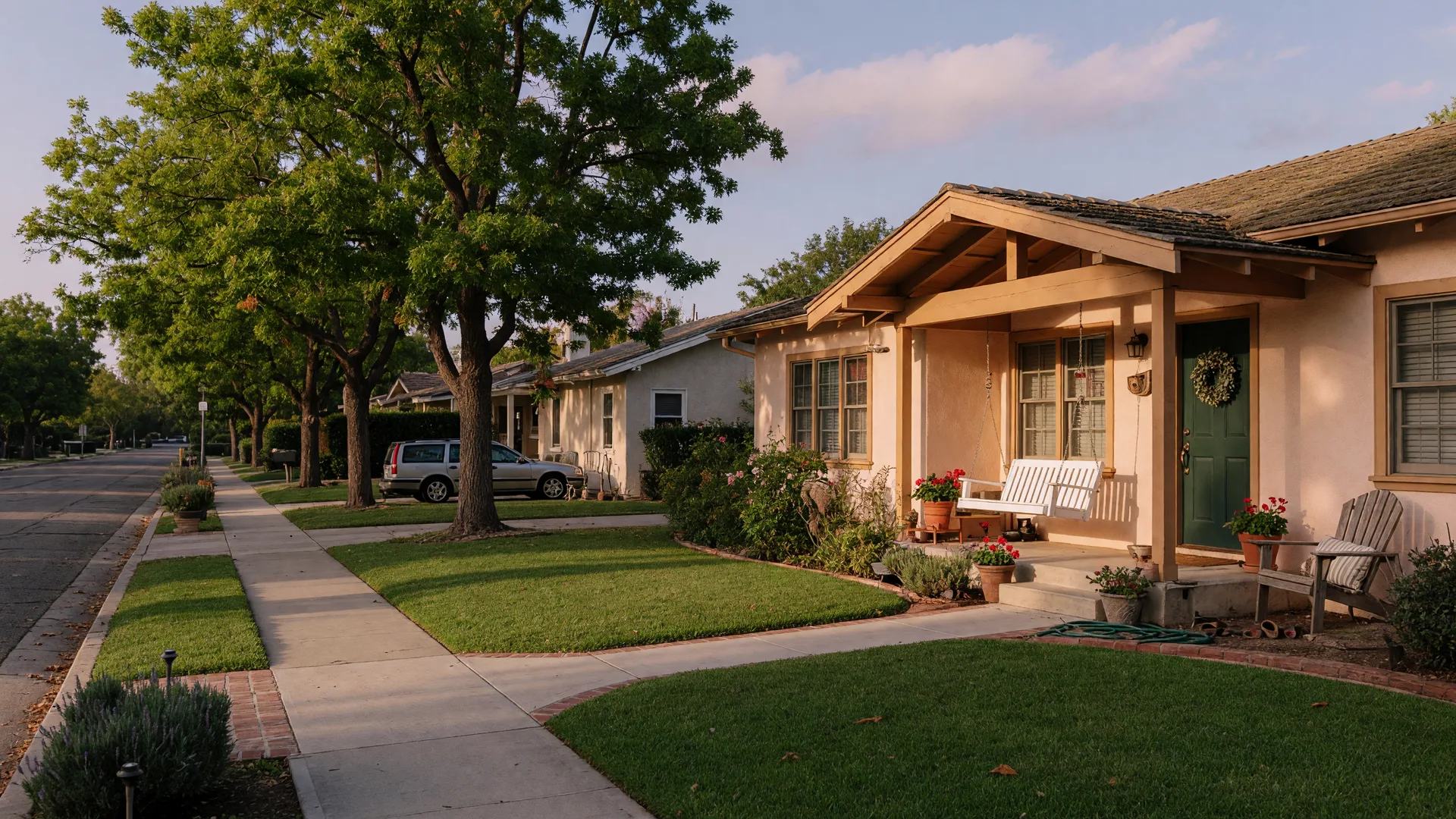
A first-time buyer couple recently told me a story I hear more often than people expect. They found a home they loved in an established Southern California neighborhood, the house drew four offers in three days with no open house, and they offered $10,000 over the asking price immediately. When the seller called for best-and-final, they went to $25,000 over asking because they really wanted the house and the location. Now, with mortgage rates high, they are lying awake wondering if they made a mistake, if a lower number might have won, and whether they screwed up. If that is you, please hear this first: you did not do anything wrong, and this worry is completely normal. Let me walk you through it honestly.
First: Breathe. This Is Normal.
Post-offer anxiety hits almost every first-time buyer, and it hits hardest right after the excitement fades and the numbers sink in. You finally got the home you wanted, and suddenly your brain starts replaying every dollar and every "what if." That is not a sign you did something wrong. It is a sign you care, that this decision matters to you, and that you are taking it seriously. Those are exactly the instincts you want as a homeowner.
And with rates where they are, the worry stings more. Every extra dollar on the price feels heavier when the monthly payment is already significant. That is human. But let me separate the feelings from the facts, because the facts here are more reassuring than your 2 a.m. brain is telling you.
Read the Signals Honestly: Four Offers in Three Days Is Real Information
You read the market correctly. A home that draws four offers in three days, with no open house at all, is a home the market wanted. That is not a coincidence. When a property gets that kind of response that quickly, it usually means one of two things: it was priced well, or it was priced slightly under to deliberately drive competition. Either way, the market was telling you the home was desirable and fairly priced. Your read was sound, not naive.
Buyers often think of a bidding war as a trap, but it is really information. Multiple buyers independently looked at the same home, the same neighborhood, and the same price, and decided it was worth competing for. That is a form of market validation you cannot manufacture. It does not guarantee the future, but it is strong evidence that the price you paid was supported by what other informed buyers were willing to pay that same week.
The "Did We Overpay?" Question, Answered Honestly
Let me be straight with you, because you asked for honesty, not comfort. Overpaying is possible, and only time truly tells whether any purchase was a bargain or a stretch. But let me give you the framework that matters, because most of what is keeping you up at night is not actually the right question.
You Did Not Bid Into a Vacuum
You did not offer $25,000 over asking into an empty room. You bid into a competitive situation with four offers and a best-and-final round. The price you paid reflects what the market was willing to pay for that home that week, not a random number you invented. In a multiple-offer situation, the final price is set by the competition itself. You did not overpay into a vacuum; you matched what other buyers were willing to pay.
The Appraisal Is the Real Test, and You Have a Safety Valve
This is the part that should genuinely calm you. Because you have an appraisal contingency, an independent, licensed appraiser will compare your home to recent sales of similar homes in the area and decide what it is worth. That is an objective check, separate from the emotion of the bidding war.
If the home appraises at or above your price, the market has independently confirmed your offer. If it appraises below, you have options: you can renegotiate the price with the seller, you can choose to make up the difference if you want and can, or you can walk away and recover your deposit while the contingency is still open. That is the safety valve. You are protected, not trapped. The appraisal is not a threat to your deal; it is the tool that keeps you from overpaying if the market disagrees with your offer.
"Maybe $655,000 Would Have Won"
Maybe. But here is the honest truth about best-and-final rounds: the difference between winning and losing is often small, and it is rarely the number alone that decides it. Terms, timelines, contingencies, and the seller's own situation all play a role. In a four-offer competition, a lower number might have won, or it might have lost the home to someone else entirely.
And losing has a real cost too. If you had lost this home, you would be back to more weeks of searching, more offers, more anxiety, and possibly paying more later for a home you liked less. The $25,000 over asking bought you certainty in a market you wanted to be in, for a home and a location you truly wanted. That is not a mistake; that is a decision with a real benefit attached to it.
The Two Questions That Actually Matter
The questions that matter are not "did I leave money on the table?" They are: can you afford this home and still live a life you love? And was the price supported by what the market was willing to pay? If both answers are yes, you did not screw up, even if a perfect future version of you might have paid less. Nobody buys at the exact bottom, and nobody can time the market perfectly. You made a competitive, informed offer on a home you wanted in a market that validated the price. That is a reasonable decision, not a reckless one.
"The question is not whether you paid the lowest possible price. It is whether you paid a fair price for a home you can afford and love. Those are very different questions, and only one of them should keep you up at night."
The Rates Reality: Honest and Comforting
High rates make everything sting more, and it is completely natural to second-guess your timing when your monthly payment feels heavy. But here is what I want you to remember: rates are the same for every buyer in the market right now. You are not uniquely disadvantaged. The job is not to wish for the rate you might have gotten years ago; it is to work with the reality in front of you.
What you can control is locking in the best rate available to you now, comparing lender offers, and knowing that refinancing when rates ease is a common strategy many homeowners use, though nobody can promise when or whether that will happen. Focus on what you control: whether the home is affordable to you today, at the rate you can get today. That is the number that matters. Do not borrow worry from a rate forecast nobody can guarantee.
Practical Next Steps in Your Contingency Period
You are still in the contingency period, which means you have time, protection, and a clear path forward. Here is how to use it well.
Let the appraisal be your objective check
When it comes in, you will have a clear, independent answer about value. If it is below your price, negotiate calmly with your agent or make a decision you can live with. Do not decide before you have the data.
The cosmetic updating is fine, and it is planned
You knew about it before you offered, so it is not a surprise. Budget for it, spread it out, and enjoy making the home your own. A home that needs a little cosmetic love is often the one you can shape into exactly what you want.
Credits are an option, not a goal
If you want credits, you can raise reasonable, documented requests tied to what the inspection actually found. But do not manufacture issues to get money back. A clean inspection is a good thing, and you should celebrate it, not invent problems to justify a credit.
Trust your agent with the deadlines
Your inspection, appraisal, loan, and title contingencies each have deadlines written into your contract. A good agent tracks every date so you never lose a deposit or miss a deadline. Let them carry that weight so you can focus on the decisions, not the calendar.
A Gentle Close: You Did Not Screw Up
You made a competitive, informed offer on a home you loved, in a market that validated the price with four offers in three days. That is not the profile of a buyer who made a careless mistake. It is the profile of a buyer who saw something they wanted, understood the competition, and made a decision with their eyes open.
First-time buyers deserve grace, not second-guessing. You are allowed to feel the nerves, and you are also allowed to trust the process you put in place: the appraisal, the contingencies, the agent, and your own good judgment. Welcome to homeownership. You are going to be just fine.
Important Note: This is general education, not financial, legal, or appraisal advice. Every contract and every number is different. Talk to your lender and your real estate agent about your specific purchase agreement, your contingencies, and your exact numbers before making any decision.
Sam Silver
U.S. Army Veteran · AI-Certified REALTOR® · 22+ Years Experience
Equity Union Real Estate · CalDRE #01412755
Feeling the Post-Offer Jitters? Let's Talk It Through.
Whether you are in a contingency period, weighing an offer, or just starting your search, I will give you honest, practical answers. No pressure, no judgment, just a trusted advocate in your corner.
Sam Silver, REALTOR, Equity Union Real Estate, CalDRE 01412755. Equal Housing Opportunity.